


90-day money back guarantee
Blackout Blue Light Glasses
How Zeroblue glasses work
Blackout Blue Light Glasses work by blocking 100% of light in the 380-570nm range, the full range of light from your screens that can interfere with your sleep. This light disrupts the production of your sleep hormone Melatonin, which can cause you to take longer to fall asleep, decrease sleep duration and reduce sleep quality.
90-day Money-back Guarantee
Still unsure? Try our Blackout Blue Light Glasses for up to 90 days risk-free.
Real people, Better Nights

They're incredible! They have changed my sleep so much I fall asleep so quickly and stay asleep.

Didn't think they would do too much but as someone that gets up early these have been amazing for actually getting to bed on time, would recommend giving them a try.

I’m a professional trader, so I’m glued to screens all day. Now I put these on for the last 3–4 hours before bed while I finalise my plans for the next day, and my sleep has actually improved. They really do help if you live on screens. Plus, they look properly cyberpunk, so I sometimes wear them as a fashion piece even when I’m not working.

I already wore them last night and they felt really good. I compared the difference with the white lights around me, and the change when I took the glasses off was honestly pretty startling. It really showed how much strain bright/white light can put on your eyes.

For a person who has struggled with sleep and tried many alternative solutions for no benefit, I can’t rate these glasses highly enough. Within 3 days of use my sleep has improved remarkably. For anyone with issues sleeping, I suggest you give these a try.

Great when watching TV or on the phone before bed, makes it easier on your eyes and I've felt more tired before going to bed although I did have to get used to the red.

I'm usually up late working and have definitely felt a big difference when trying to fall asleep after, I've started to feel drowsy before even getting in bed when I'm usually wired for ages after turning the screens off.
It's as easy as 1, 2, 3
 1
Put them on
Two to three hours before bed, whenever the screens come out.
 2
The lens does the work
It blocks 100% of the blue and green light that interferes with sleep.
 3
Sleep comes naturally
Your body makes melatonin on time, so you fall asleep more easily.
What makes ours different?
Purpose Built for Sleep
Style doesn't matter when you're trying to wind down at 9pm. We added features that maximise protection instead.


Blocks ALL disruptive light
The lens blocks 100% of the blue and green light (380–570nm) that interferes with your sleep. Most other lenses block a small fraction of this light.


Blackouts vs others
 Zeroblue Blackouts
 Regular red
 Yellow / Orange
 Clear
Real vs Fake Proof
The only thing that can prove blue light blocking over a wide range is a spectrometry lab.
An independent lab test report
The full wavelength of light that interferes with sleep is 380-570nm, our Blackout Blue Light Glasses block 100% of that light.
Flashlight demos
Blue flashlights emit 5-10% of the full range of light that can disrupt your sleep. Flashlight tests can only show if that small amount is blocked, leaving the remaining 90% unknown.


Blackouts vs Night Mode

of blue and green light filtered (380–570nm)
- Blocks all disruptive light
- Blocks all light sources
- Research backed, lab verified

of blue and green light filtered (380–570nm)
- Blocks a small fraction of disruptive light
- Blocks one screen at a time and no other light sources
- Research shows no benefit
The research
Backed by sleep science.

more sleep a night, measured by wrist tracker, wearing amber lenses for 2 hours before bed.
Shechter et al., J. Psychiatric Research, 2018lower insomnia symptom scores after a week of wearing amber lenses before bed.
Shechter et al., J. Psychiatric Research, 2018earlier sleep onset after two weeks of amber lenses from 9pm, in people with delayed sleep phase disorder.
Esaki et al., Chronobiology International, 2016Studies look at evening light and blue-blocking glasses in general, not Zeroblue specifically. Zeroblue glasses are not a medical device.
See them in action


Get more out of each day
Make the most of each moment after a restful night.
 Family time
Wake up with a clear head so you are present
when spending time with family.
 Exercise
Ensure you have all the energy you need to be
active.
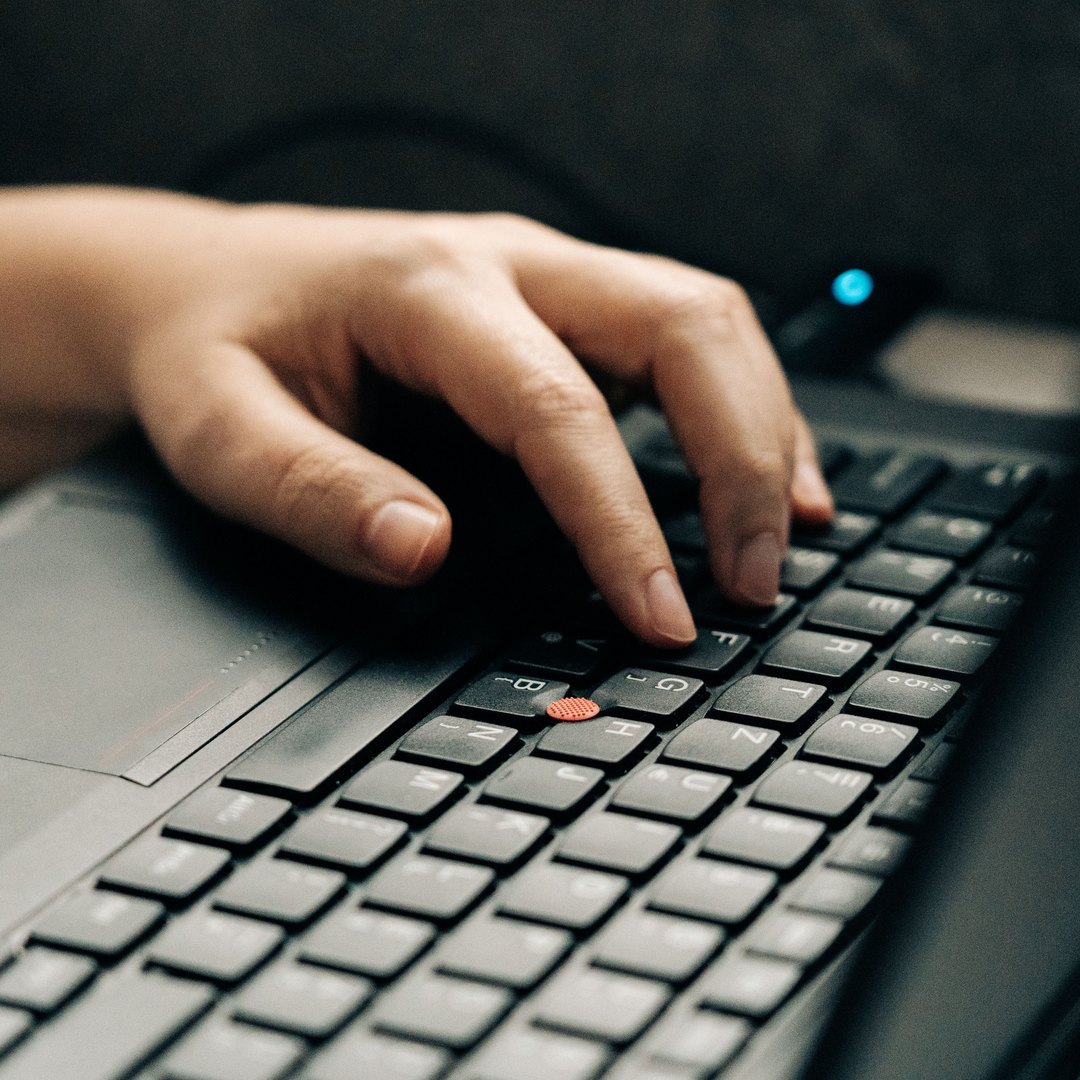 Deep work
Stay locked in and focused on the work most
important to you.
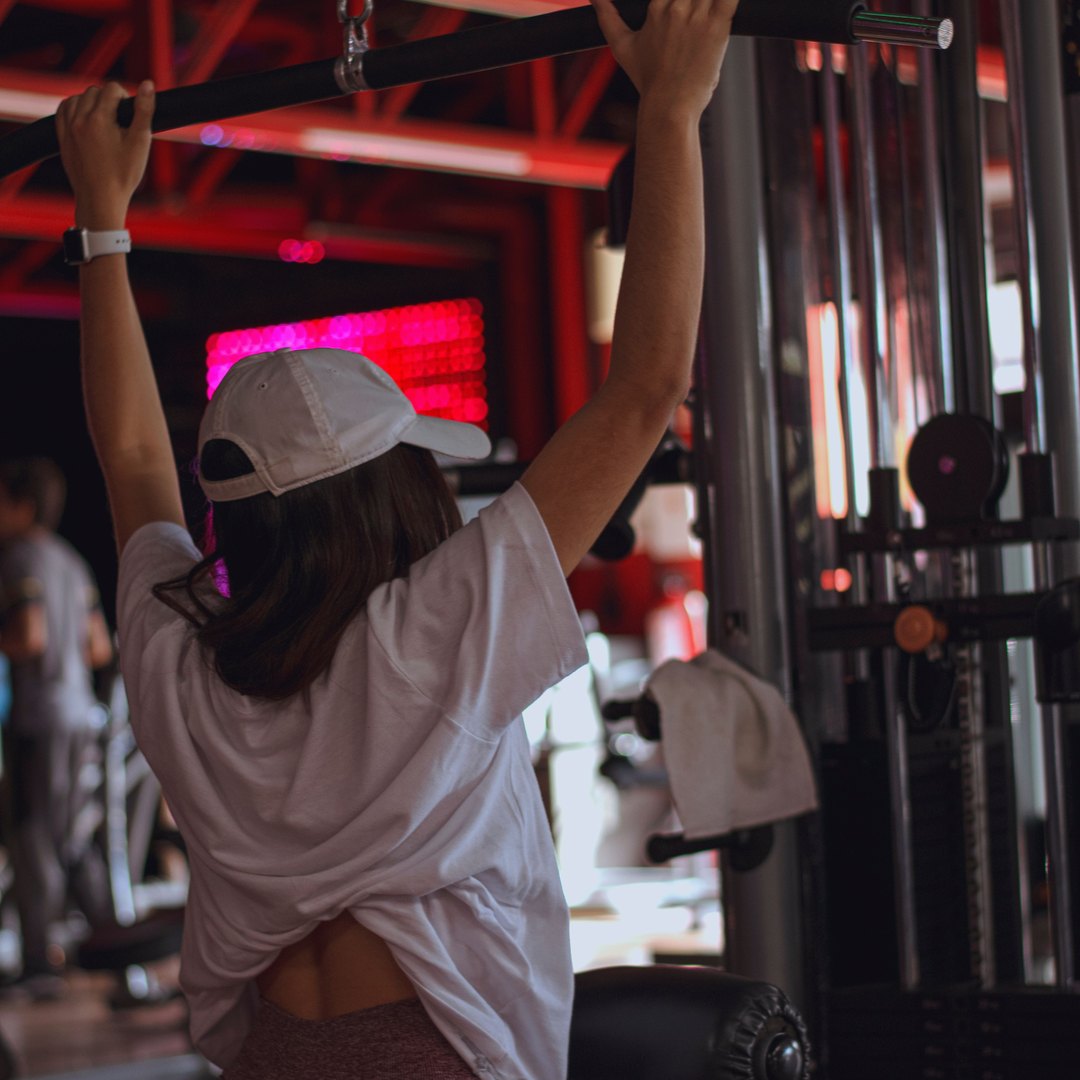 Weightlifting
Make sure you have all the energy you need to
hit PB's and avoid injury.
 Social time
Keep your social battery alive and make the
most of time spent with friends.
 Study
Learn more, stress less. Make sure you can focus,
take in, and retain information.
FAQs
What do Blackout Blue Light Glasses do?
Blackouts work by blocking 100% of the blue and green light from your screens that interferes with your sleep.
Can't I just use my device's night light?
While the night light mode on your devices does prevent some disruptive from being emitted, this can very between each device and is usually between 15-20%. This does not cover the full range of light that can disrupt your sleep.
Do they actually work?
Numerous studies have associated amber lenses with improvements in sleep outcomes in individuals with sleep disorders. These include:
- Wearing blue light-blocking glasses in the evening advances circadian rhythms in patients with delayed sleep phase disorder (DSPD)
- Blocking nocturnal blue light for insomnia: A randomized controlled trial
- Effect of evening blue light blocking glasses on subjective and objective sleep in healthy adults: A randomized control trial
How does blue and green light effect sleep?
Melatonin is a hormone your brain releases in response to darkness, signalling the body that it's time to sleep. Blue and green light exposure at night supresses its production, delaying sleep onset - which is the core problem Zeroblue glasses are designed to address.
What makes Zeroblue glasses different?
Unlike normal blue light glasses, Blackout Blue Light glasses block 100% of light between 380-570nm, have wide wraparound lenses, high coverage temples, and a foam gasket to maximise protection. In addition we use lightweight, durable materials ideal for wearing for hours at a time.
Why are there other glasses that are cheaper?
Cheaper glasses either use lenses with a yellow tint that let through a significant amount of blue and green light, or come close to blocking 380-560nm but don't have any other protective features. They don't have wide wrap around lenses, high coverage temples or a foam gasket, all of which in combination maximise protection.
★★★★★
Really happy with these glasses. I’ve been using them at night and when I’m on my phone or computer for long periods, and they definitely feel easier on my eyes. They’re comfortable to wear and fit well.

★★★★★
I’ve been really happy with my Zeroblue Originals. I feel like they help me sleep better, especially when I use my phone in the evening. They filter out blue light, which makes using my phone at night much more comfortable and relaxing. Great quality and definitely something I’d recommend!
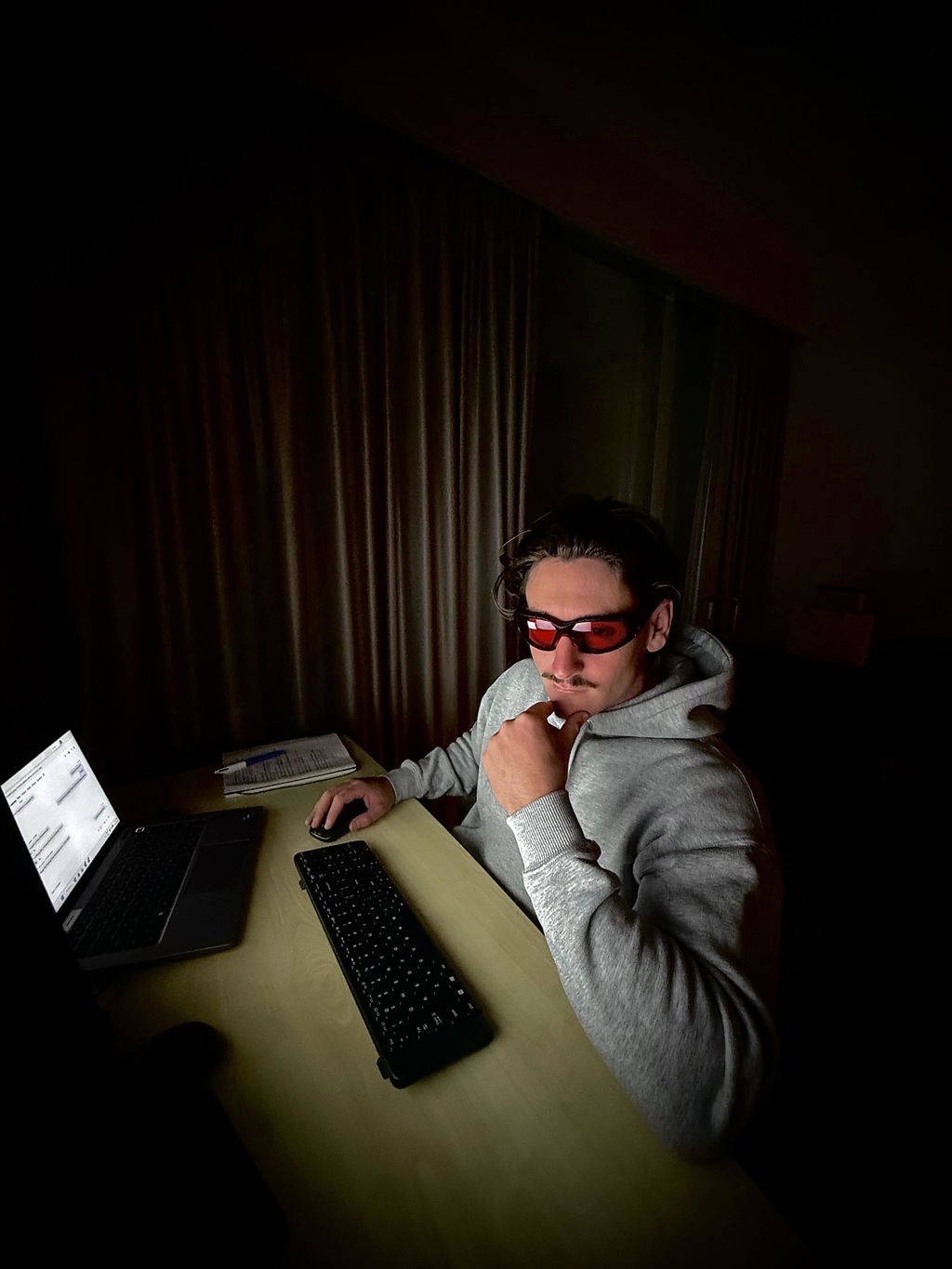
I’ve been wearing these glasses for over a week and the difference it’s made in my sleep is crazy! I’m on my phone and laptop late (not something I can change) so having the glasses as an option is a life saver. It’s become an essential in my night routine. I’m able to fall asleep much faster. Highly recommend.
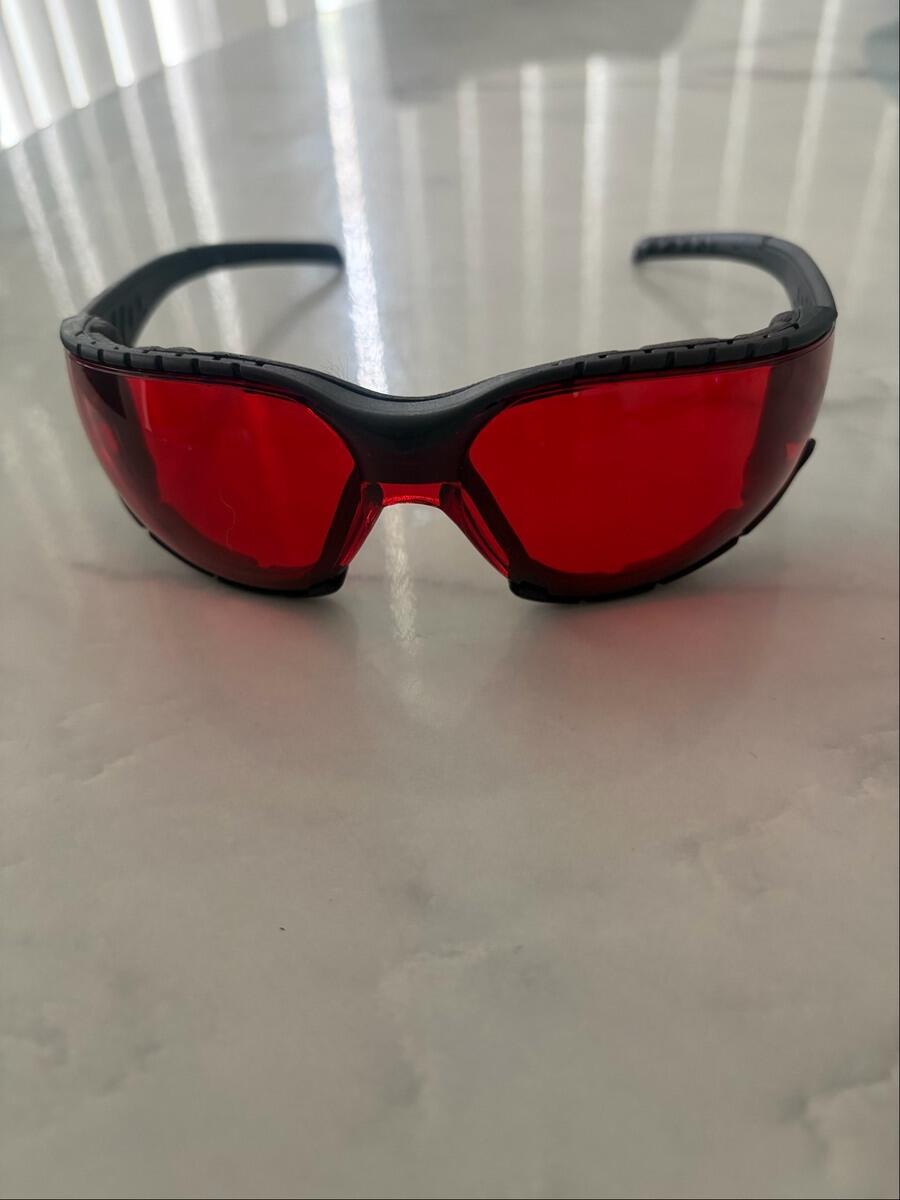
These glasses are super comfy and sit on my well. They helped me sleep better and feel more calm towards bed time. Absolutely love them
Pretty good before bed, just feels a bit tight on my head
Absolute lifesaver! Blocking the full wavelength of light really makes an incredible difference. The build quality is fantastic—they completely isolate ambient light around the frame and provide full coverage for your eyes without feeling heavy. They’re super lightweight, easy on the face, and comfortable on the sides of the head. I’ve been using them while watching TV and on my phone, and they instantly relax my eyes when looking at bright screens at night. Helped me rest my head fully for a great night's sleep. Highly recommend!
Great looking glasses really useful for resting the eyes
The Zeroblue glasses were fantastic! Needed a little getting used to but after wearing it a few times while on my phone, it wasn't too bad! It definitely reduced a ton of blue light from my mobile consumption. I highly recommend grabbing a pair!
I’ve really enjoyed trying the ZeroBlue glasses. They are extremely comfortable to wear and fit really nicely, sitting snugly against my face without feeling tight or uncomfortable.
I particularly like how lightweight and easy they are to wear while watching TV. They feel well designed and don’t have that feeling of constantly having to adjust your glasses.
Overall, I’ve found them comfortable and easy to wear, and I would definitely consider using them when spending time in front of screens.
Amazing glasses. Highly recommend. So comfortable and a great addition to my nighttime sleep routine. My sleep has improved a lot since starting them, they are awesome!